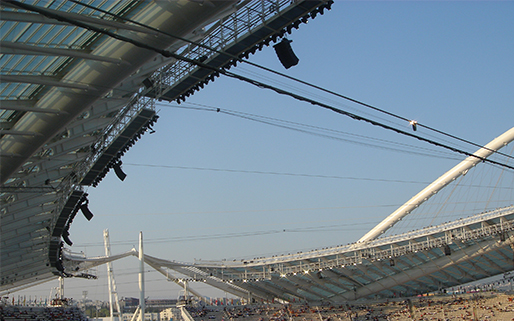
The main stadium for the 2004 Athens Olympics was equipped with the Meijia Sheng (McCauley) Super Classic MLA3 Series line arrays.
The setup consisted of 16 groups (7 units per group), totaling 112 MLA3 3-way line array speakers and MS6 subwoofers, suspended above
the main stadium.
A "Magical" Achievement
The use of the MONARC array line speakers for the opening ceremony was described as "magical" for Tom McCauley. Only a few months after
the launch of the MLA3, it managed to stand out from numerous powerful competitors to be selected to provide sound reinforcement technology
for a global event of this magnitude. Most notably, McCauley Sound achieved success even before the Olympics began.Technical Specifications & Coverage
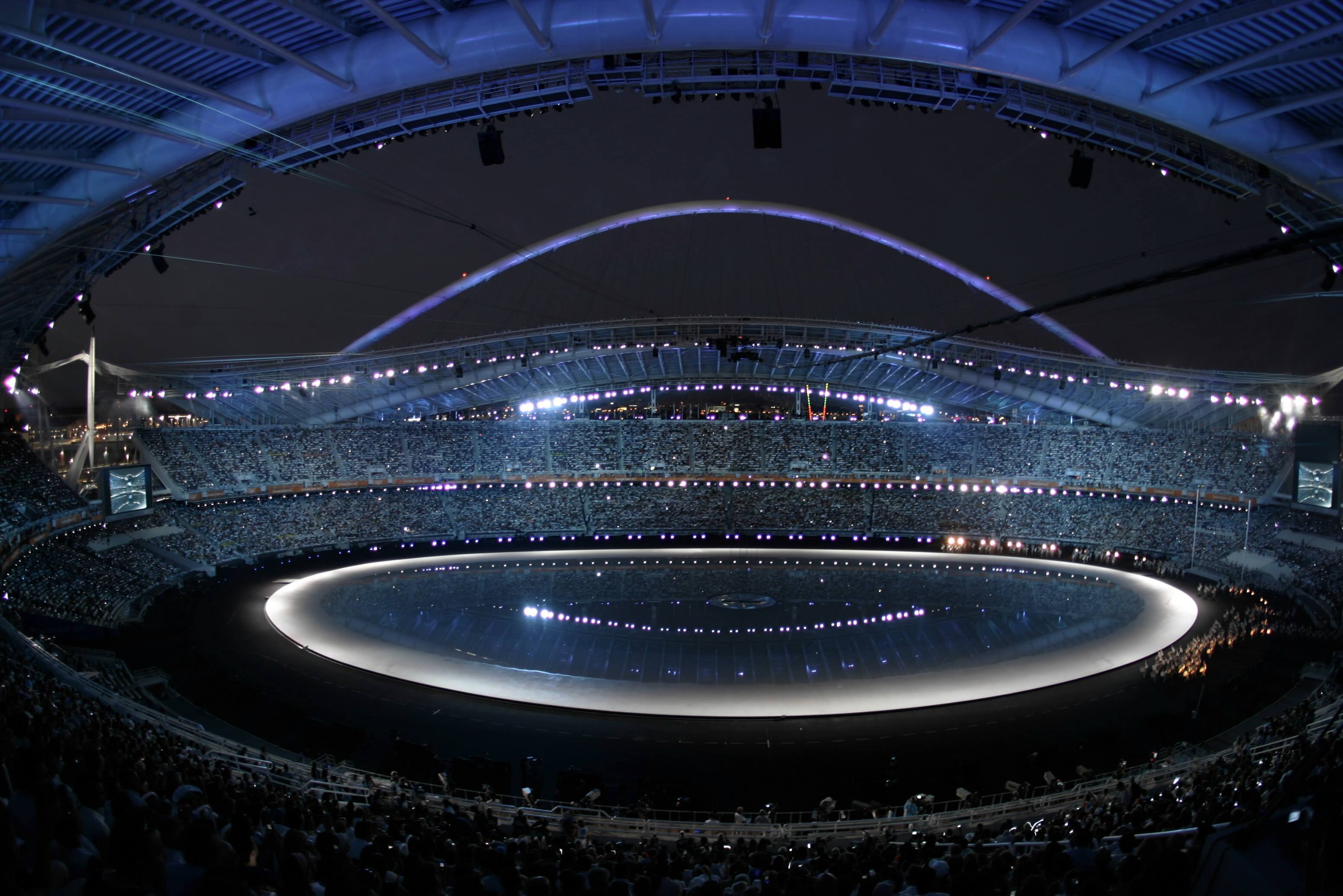
In the Olympic Stadium, the McCauley Sound MLA3 mid-size array line speaker system provided primary audio services for 72,000 spectators
and performers.
- Line Arrays: Surrounding the stadium, a total of 112 MONARC MLA3 speakers (in 16 groups of 7) were suspended from the complex roof structure.
- Subwoofers: Additionally, four groups of MONARC MS6 subwoofer units were appropriately suspended around the massive stadium to provide extra low-frequency effects for the MLA3s.
- Result: They delivered concert-quality sound to all audience members seated in the large stadium.
Executive & Engineering Perspectives
For McCauley Sound, this was a massive success. Evgueni Samochine, the Deputy Administrative Manager, stated: "To fight for the opportunity
to design the sound for a project of this level, we had to compete with every line array speaker manufacturer in the world."
Ryan Finley, a McCauley engineering expert, commented on the rigorous evaluation process: "Our users and stakeholders approved the
MONARC linear array speaker solution because they loved the suspension system; it was easy to operate."
Ryan continued, noting that due to the event's requirements, the system was more suitable for fixed installation rather than short-term setup
and teardown. The selection of the MONARC MLA3 was not just because it was easy to operate, but because it excelled at providing continuous
sound coverage to the audience within a reasonable range. Their primary focus was ensuring that audience members in any seat in the stadium
could experience top-tier audio enjoyment.
System Configuration & Signal Flow
- Amplification: A total of 212 Lab.gruppen fP6400 power amplifiers provided the output.
- Speaker Layout: Over 130 McCauley MONARC array line speakers were suspended around the stadium roof, while EAW KF860 speakers
were placed in the lower seating areas surrounding the track.
- Signal Transmission: Amplifier signals were transmitted via a fiber optic system.
- Mixing & Processing: Microphones (including wireless) and other audio sources fed into Yamaha PM1D (FoH) and PM5D (monitors) consoles,
with each controller backed up by an identical unit. Two sets of TC Electronic 6000 systems were used to ensure performance effects.
The Closing Ceremony
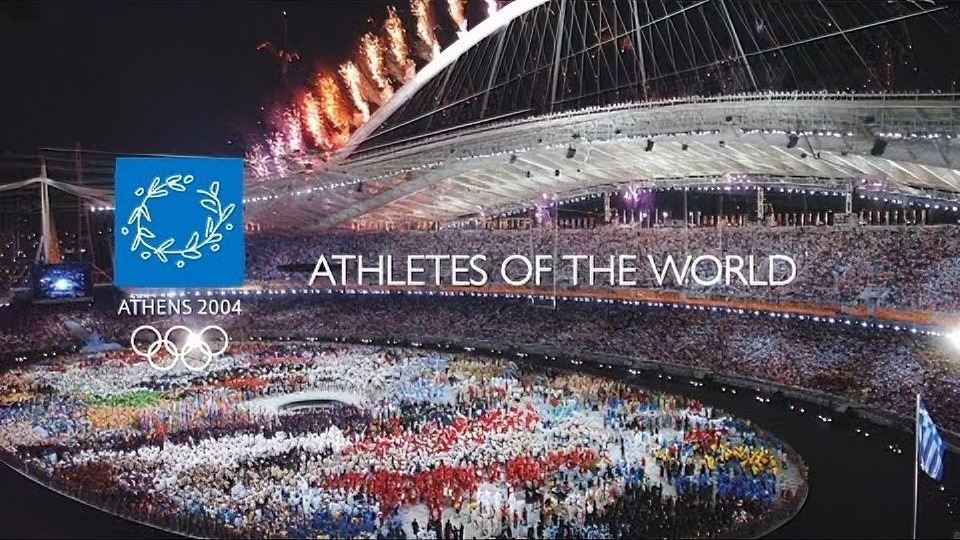
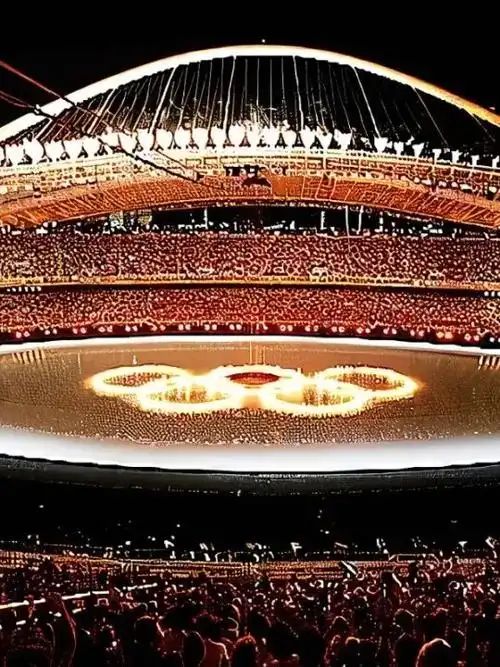
After several weeks of competition, the Olympics concluded on August 29th. The closing ceremony featured 3,691 volunteer actors from 15
countries and 2,200 volunteers from 32 countries. Following the ceremony, athletes flooded the venue behind their national flag
bearers—regardless of country or rank—to celebrate the greatest gathering in human history, laying the foundation for the upcomin 2008 Games.